Danny Ogden | Art Director
There’s something about the way Boards of Canada disappear that feels completely intentional. They’ve been quiet for 13 years, which in today’s music landscape is almost unthinkable. But with BOC, the silence has never felt accidental. They don’t vanish in the usual sense — they just step away long enough for the mystery around them to grow. So now that they’re back, it doesn’t really feel like a standard return. It feels bigger than that. Like something people have been quietly waiting for has finally surfaced again. What’s always made Boards of Canada so compelling isn’t just the music itself, but everything surrounding it. Their work has always felt like part of a much larger ecosystem where the sound, visuals, artwork, and mythology all feed into each other. Nothing feels separate. Even the way fans engage with them is different. Listening to Boards of Canada has always felt a bit like piecing something together — following clues, noticing patterns, paying attention to details other artists might overlook.


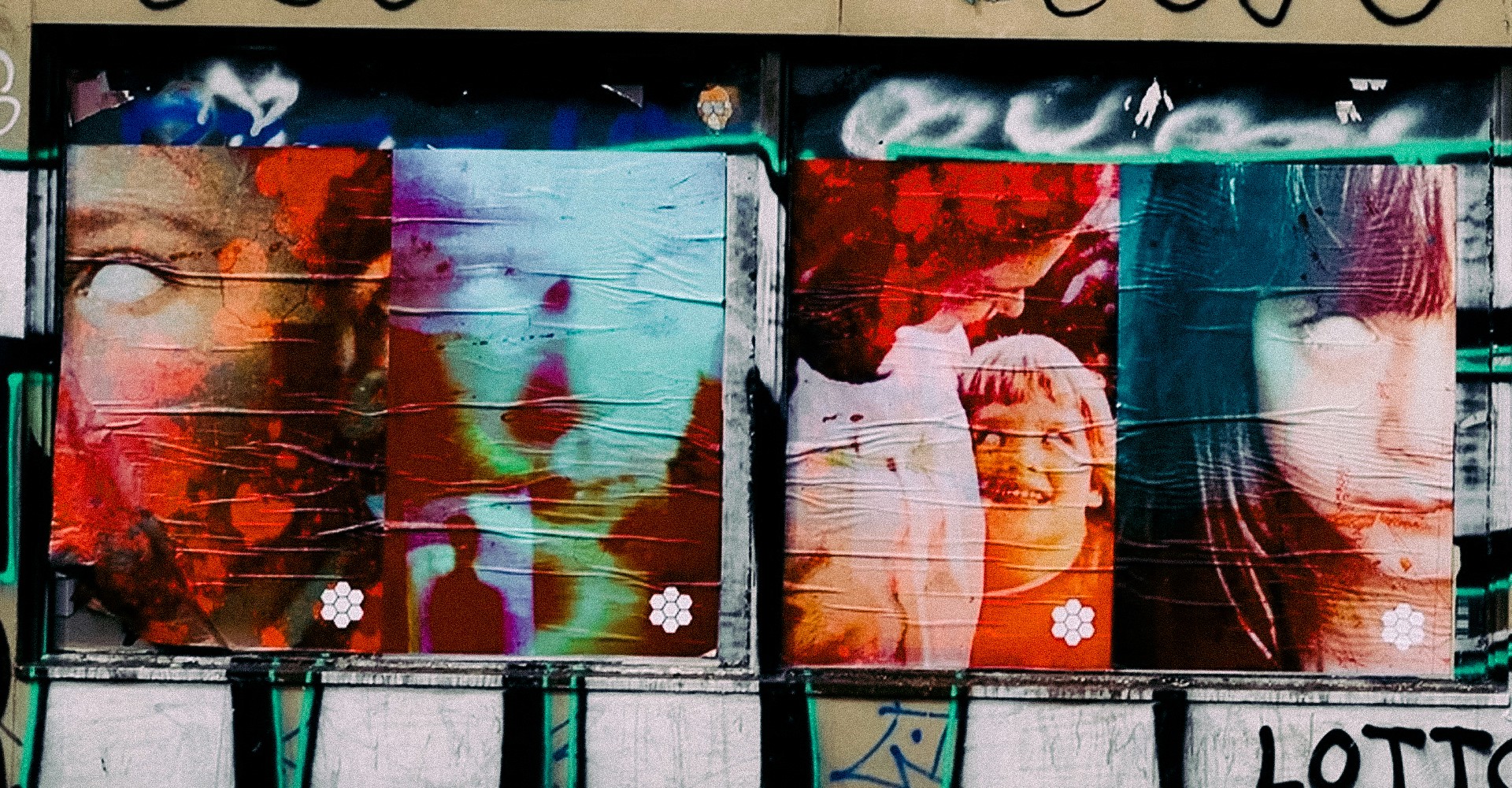
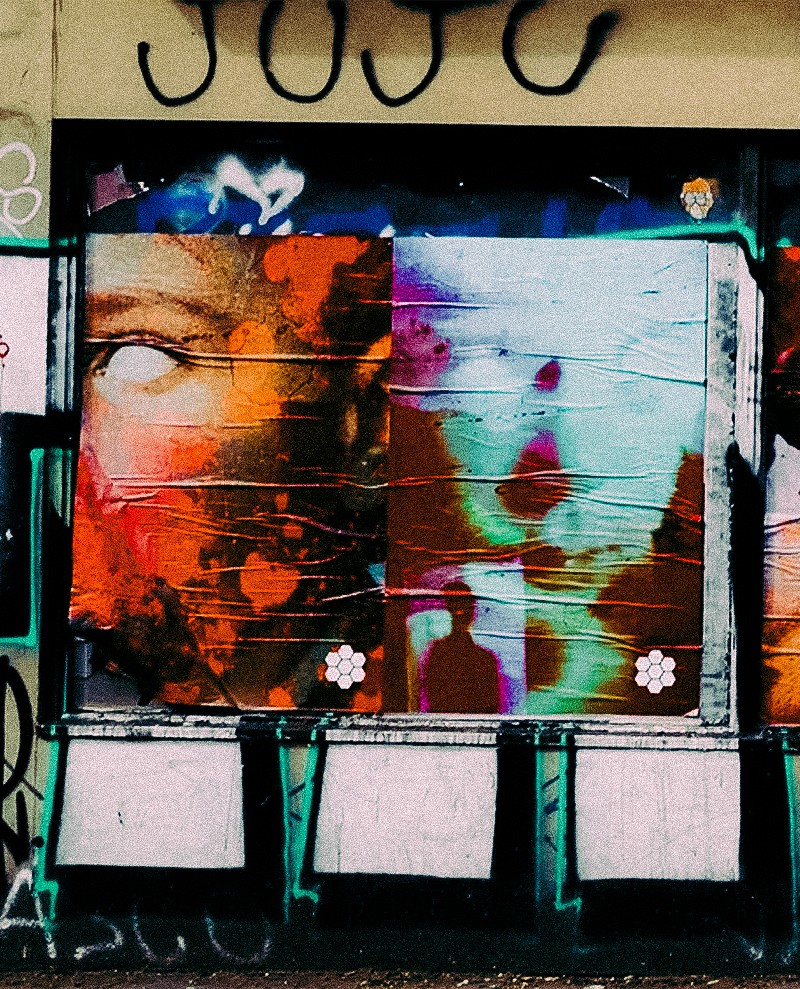
A big part of that comes through in their visual world, especially in their long-running collaboration with Neil Krug. His photography feels like a natural extension of their sound: hazy colours, blown-out landscapes, sun-faded tones, grainy textures. The images feel nostalgic, but not in a polished or sentimental way. More like memories that have warped over time. That slightly unsettling quality is a huge part of their appeal. Visually, Boards of Canada have always leaned into imperfection. VHS distortion, analogue noise, colour bleed, dust, warping — all of it feels deliberate. These aren’t just retro references thrown in for style points. They help create atmosphere. They trigger something emotional and familiar, even if you can’t immediately explain why. There’s something refreshing about that, especially in a design culture that often prioritises precision, cleanliness, and optimisation above everything else. Then there’s the way they approach releases. Most artists spend months building hype through predictable campaigns, teasers, and content calendars. Boards of Canada have always done the opposite. Hidden codes, cryptic numbers, obscure references, fragmented clues dropped across different channels — their releases feel less like marketing campaigns and more like collective investigations. It invites participation in a way most rollouts don’t. Fans aren’t just being marketed to; they’re being pulled into the experience. There’s a lesson in that for creative teams and brands. We spend so much time trying to be immediate, clear, and always-on that we often forget how powerful restraint can be. Boards of Canada understand the value of holding something back. They leave space for curiosity, interpretation, and anticipation. That feels especially relevant right now. Historically, the most enduring music tends to crawl out of the worst moments. Economic collapse, cultural fatigue, global uncertainty — these aren’t just backdrops, they’re catalysts. Right now, the world feels… frayed. Overstimulated, under-inspired. Everything is louder, faster, flatter. And into that noise comes BOC — slow, deliberate, textured. Hope, but not the glossy kind. The kind that flickers.
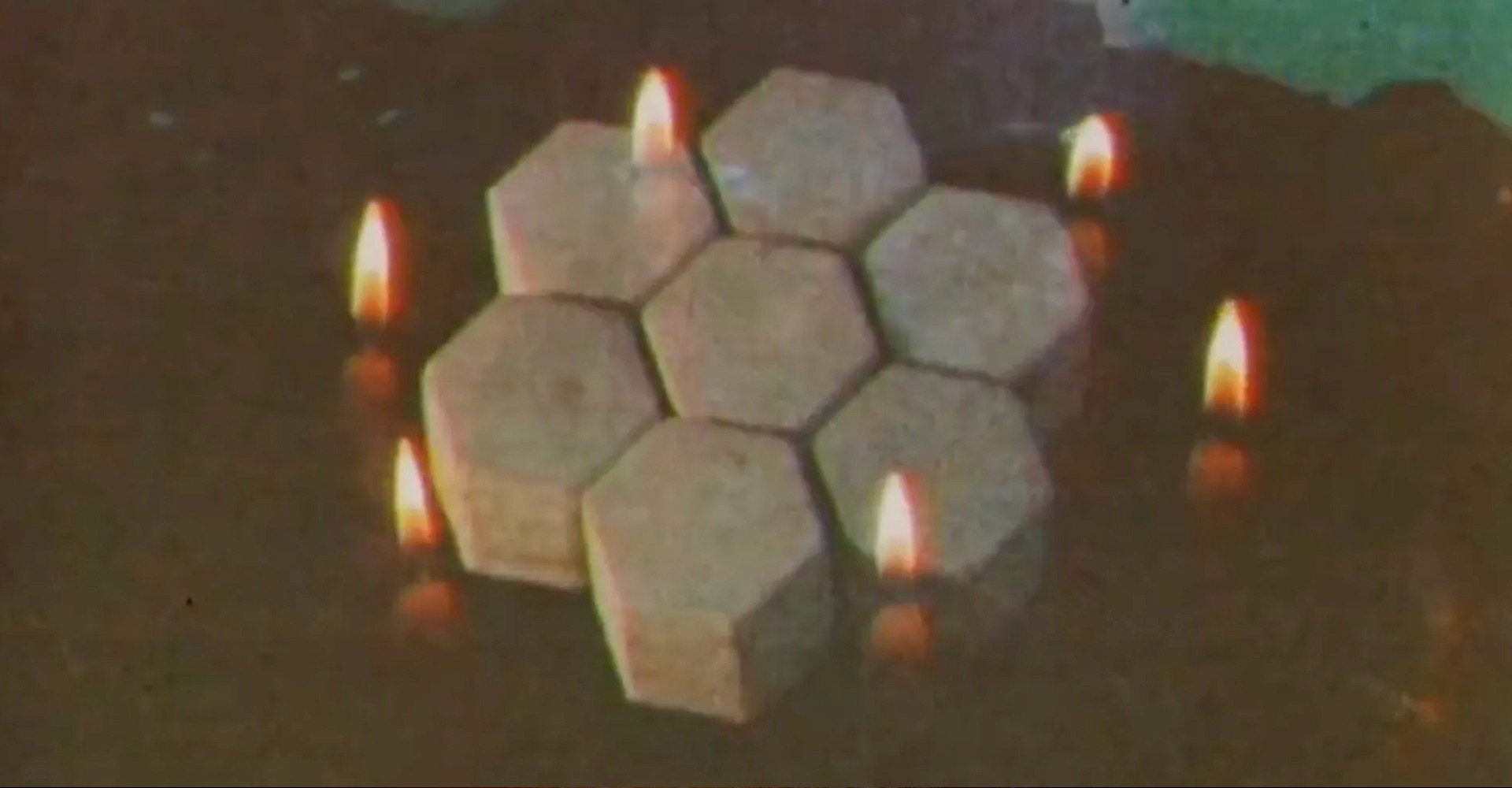
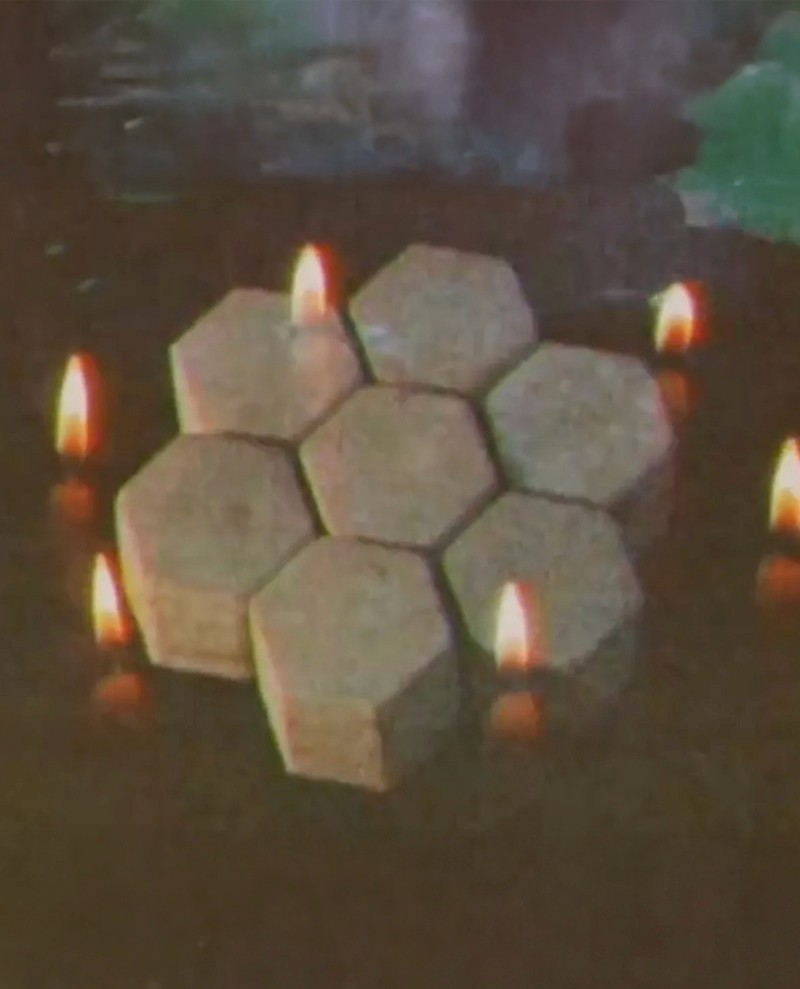
We’re in a moment where everything feels accelerated — endless content, constant updates, shorter attention spans, more noise. Culturally, there’s a sense of fatigue. Things are faster than ever, but not always deeper. Boards of Canada have always operated in the opposite direction. Their work is slow, layered, textured, and patient. It asks more from the audience, but gives more back because of it. That’s probably why this return feels so well-timed. Their music has always sounded slightly displaced — like it exists just outside the present moment. Familiar, but hard to place. Looking backwards and forwards at the same time. From a design perspective, that level of cohesion is what really stands out. They don’t chase aesthetics or jump between visual languages depending on the release cycle. Everything feels connected. The artwork supports the sound. The sound reinforces the mythology. The rollout extends the world-building. It’s all part of the same creative language. For designers and art directors, that’s probably the biggest takeaway here. Not the nostalgia, or the analogue styling, or even the mystery itself — but the commitment to building a complete and recognisable world. Boards of Canada prove that memorable creative work doesn’t need to explain itself immediately or fight for attention in the loudest way possible. Sometimes the strongest work is the kind that stays with people because it leaves a little unresolved. And in a landscape where so much feels disposable, that kind of lasting impression feels increasingly rare.